Research
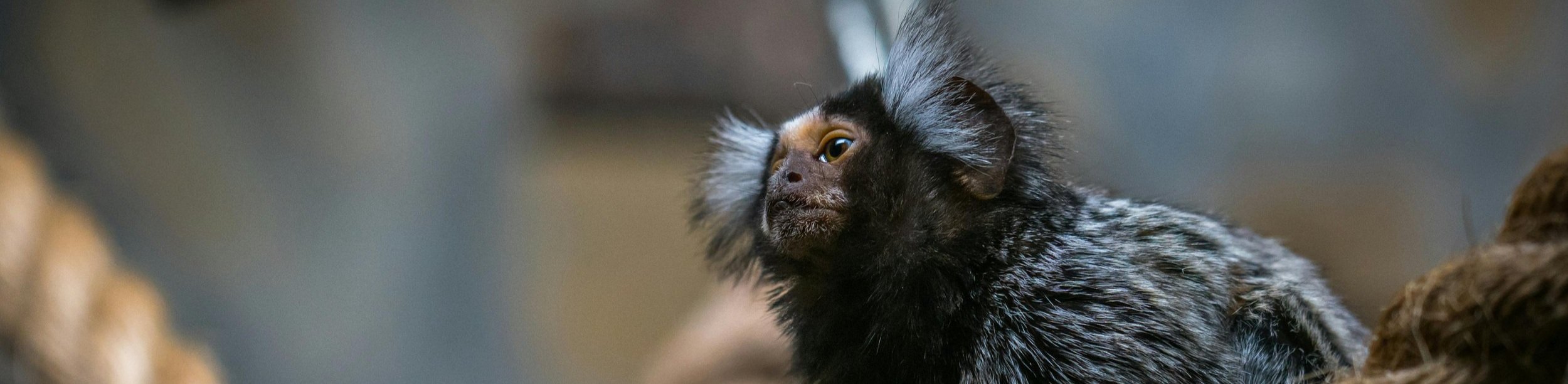
Our research program is built on a central theme: understanding the primate brain's remarkable ability to process a dynamic visual world.
We pursue this goal through three interconnected research thrusts. Our primary work involves identifying neural circuits in marmosets, which is enabled by the development of novel neural technologies. We then connect these fundamental discoveries back to human experience through complementary psychophysical studies.
-
The Neural Circuits of Social Vision
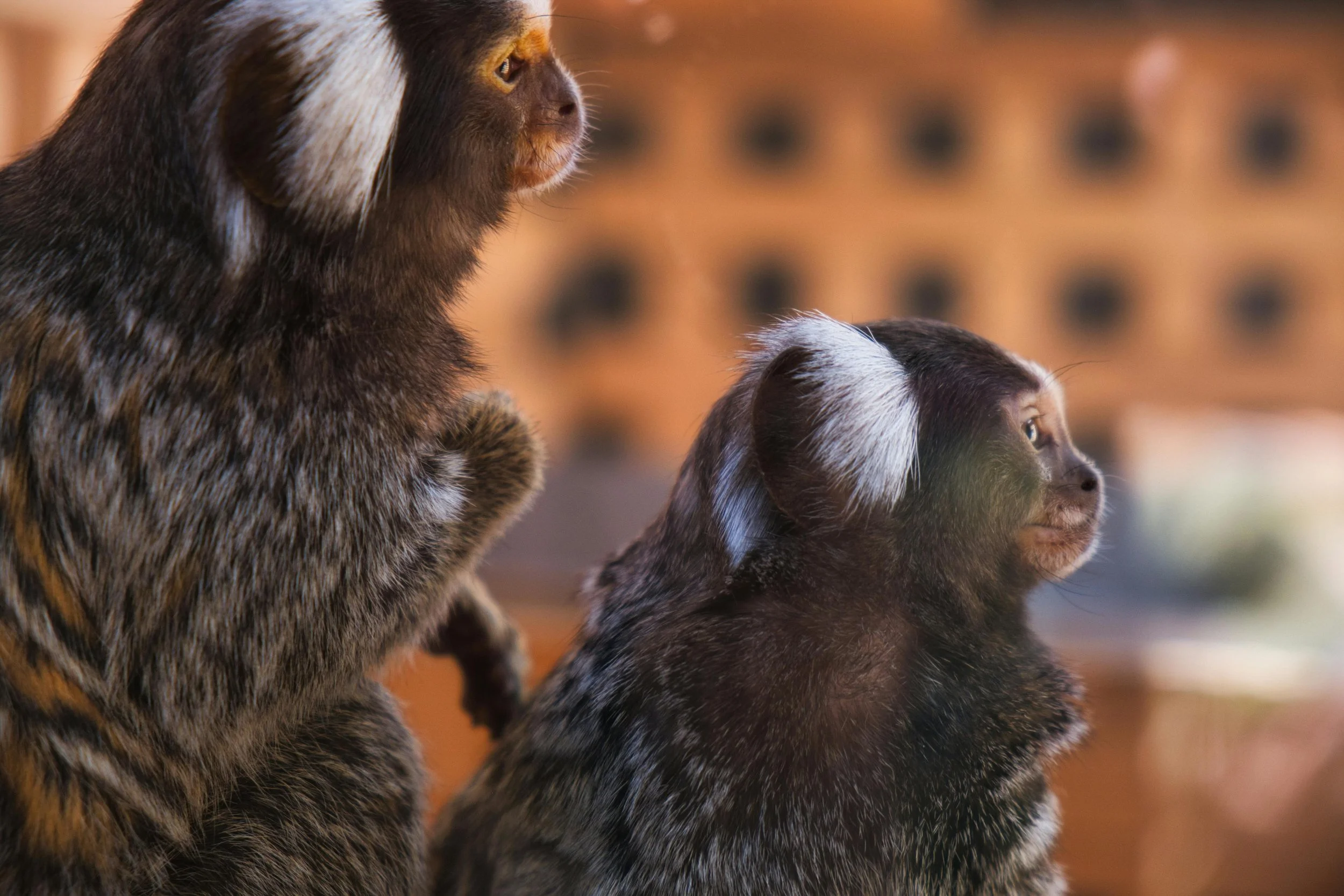
This is the scientific heart of our lab. We investigate how the primate brain makes sense of complex, real-world scenes, like watching another's actions or reading their facial expressions. Using the marmoset monkey model, we map how these dynamic social signals are represented and processed across the visual system. All students in the lab are fundamentally involved in this research direction.
-
Next-Generation Neural Interfaces
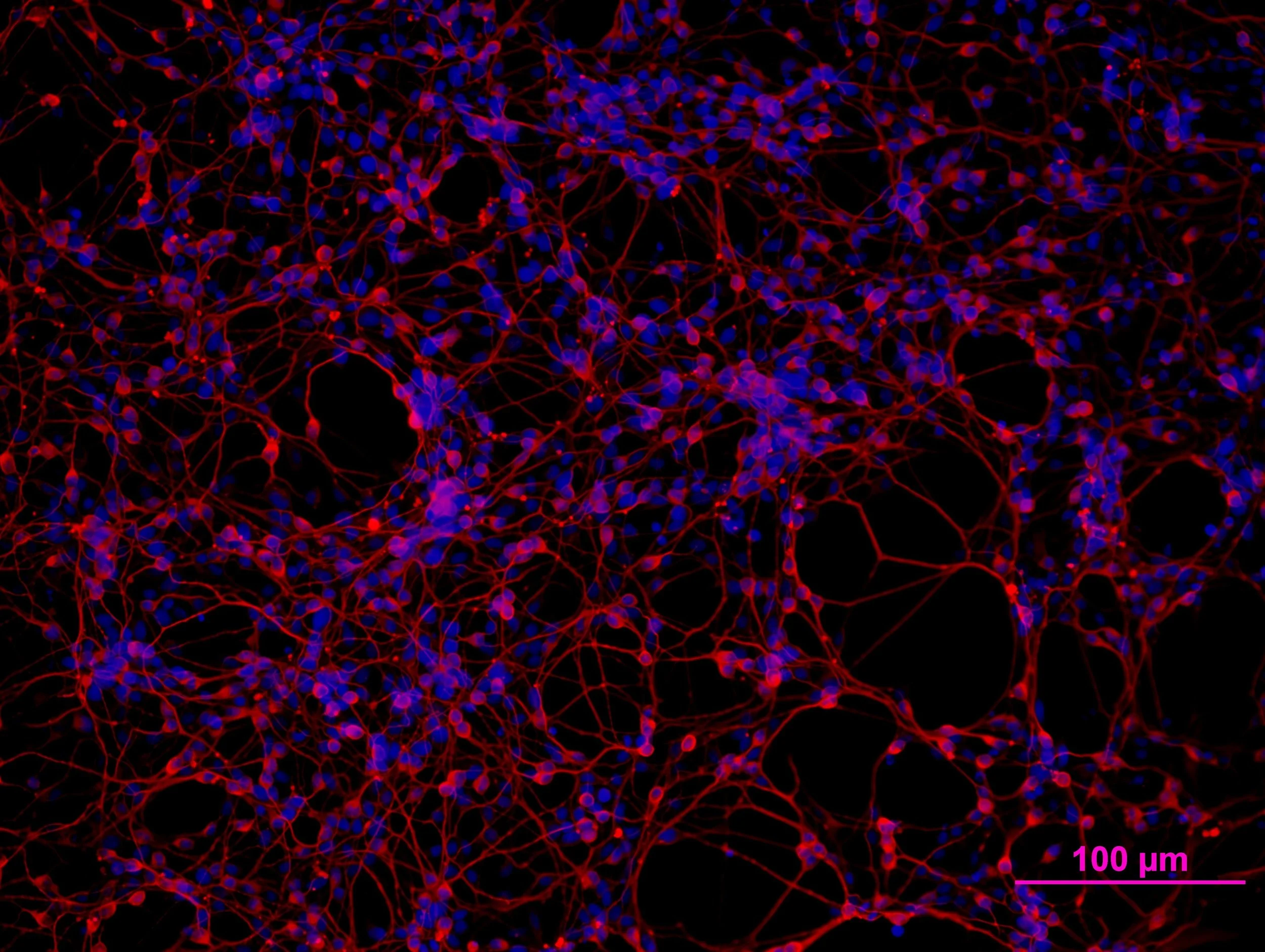
To ask a new generation of scientific questions, we need a new generation of tools. In a close collaboration with the KAIST Department of Materials Science & Engineering and the BCI experts at the KAIST BCS, we co-develop and validate cutting-edge neural interfaces. This work allows us to record and stimulate the brain with unprecedented precision and ask new questions.
-

Bridging to Humans
How do our findings in primate neural circuits translate to human perception? To bridge this gap, we run a complementary line of research using human psychophysics. These experiments provide rapid, valuable insights and allow us to test specific hypotheses about social cognition that arise from our core work. This research line uses behavioral tasks and biosignal recordings to explore the visual mechanisms of understanding others, from processing eye gaze to decoding emotion. This research directly informs and is informed by our non-human primate studies.